Swaminarayan-Style Gujarati Appetizers: A Flavorful Start
Introduction
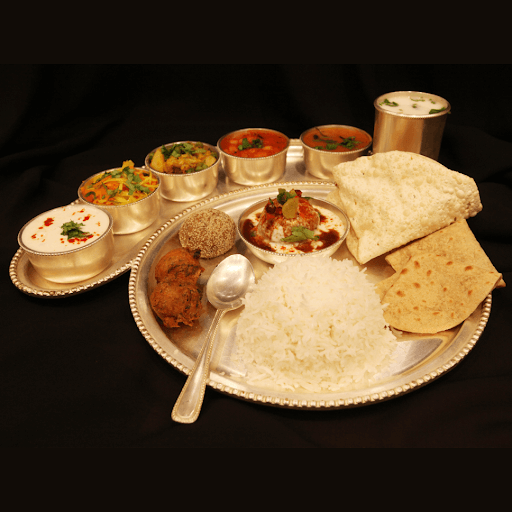
Gujarati cuisine, known for its vibrant flavors and diverse culinary traditions, is a treasure trove of delicious vegetarian dishes. One of the most intriguing aspects of Gujarati food is its variety of appetizers, each offering a burst of flavors and textures that set the stage for a sumptuous meal. In this gastronomic adventure, we explore the world of Swaminarayan-style Gujarati appetizers, perfect for tantalizing your taste buds and transporting you to the heart of Gujarat. Whether you’re a food enthusiast, a culinary explorer, or a Gujarati food lover, this article will take you on a delightful journey through popular appetizers like Methi Gota, Dokla ka Mokla, Khichu, Bungra Batata, Handvo, and Muthiya.
Summary
- Methi Gota: A Crispy Bite of Heaven
- Dokla ka Mokla: The Towering Delight
- Khichu: The Quintessential Gujarati Comfort Food
- Bungra Batata: The Spicy Gujarati Street Food
- Handvo: The Savory Cake of Gujarat
- Muthiya: The Gujarati Dumpling Delight
1. Methi Gota: A Crispy Bite of Heaven

A. Origin and Significance
Methi Gota, a popular Gujarati appetizer, is deeply rooted in the culinary traditions of Gujarat. This delightful snack holds a special place in the hearts of Gujaratis and is often served at family gatherings, festivals, and as a street food favorite. Methi Gota embodies the essence of Gujarat’s diverse culinary heritage and is a testament to the state’s rich and flavorful food culture.
B. Health Benefits
In addition to its delicious taste and crispy texture, Methi Gota also brings several health benefits to the table:
- Rich in Fenugreek Leaves: Methi Gota derives its name from “methi,” which means fenugreek in Gujarati. Fenugreek leaves are the star ingredient in this dish, and they offer a multitude of health benefits. Fenugreek is known for its antioxidant properties and is rich in dietary fiber, vitamins, and minerals.
- Digestive Health: Fenugreek is celebrated for its potential to improve digestive health. It can aid in digestion and relieve common digestive issues like indigestion and constipation.
- Blood Sugar Control: Studies have shown that fenugreek may help regulate blood sugar levels. It contains compounds that can improve insulin sensitivity and reduce post-meal spikes in blood sugar.
So, while savoring the crispy goodness of Methi Gota, you’re not just indulging in a delightful snack but also treating your body to some nourishing ingredients.
C. Culinary Traditions
Methi Gota is not only a favorite among food enthusiasts but also plays a significant role in various culinary traditions. It’s commonly prepared during festivals, family gatherings, and religious celebrations. Its presence on the dining table is a testament to Gujarat’s love for flavorful, vegetarian food that caters to both the taste buds and the body’s nutritional needs. Methi Gota is more than just a crispy bite of heaven. It’s a reflection of the culinary diversity of Gujarat and a tasty way to incorporate the health benefits of fenugreek into your diet. Whether enjoyed as a snack or part of a larger Gujarati meal, Methi Gota brings a burst of flavors and a touch of healthiness to every bite.
2. Dokla ka Mokla: The Towering Delight

- Origin and Significance:
Dokla, a well-loved Gujarati snack, has been a part of Gujarati cuisine for generations, and its significance lies in its role as a cherished culinary tradition that has been passed down through the ages. This spongy and savory dish holds cultural importance in Gujarat and beyond, and it’s a source of pride and delight for the people of the region.
- Health Benefits
Dokla and Dokla ka Mokla bring more than just great taste to the table. They also offer several health benefits:
- Steamed Delight: Dokla is a steamed dish, which means it is prepared with minimal oil, making it a healthier option compared to fried snacks. Steaming helps retain the nutritional value of the ingredients and ensures that the dish is not excessively greasy.
- Low -Calorie Snacking: Dokla and its delightful variation, Dokla ka Mokla, are relatively low in calories compared to many other snacks. This makes them an excellent choice for those looking to enjoy a tasty treat without worrying about excessive calorie intake.\
- Good Source of Protein: Chickpea flour, a key ingredient in Dokla, is a good source of plant-based protein. Protein is essential for muscle growth, repair, and overall health.
So, while indulging in the towering delight of Dokla ka Mokla, you’re not just treating your taste buds to a culinary masterpiece but also nourishing your body with a snack that’s gentle on the waistline and packed with protein and flavor. These variations of Dokla perfectly represent the fusion of tradition and innovation that characterizes Gujarati cuisine.
- Culinary Traditions:
Dokla, a beloved and iconic Gujarati dish, is deeply ingrained in the culinary traditions of Gujarat. It is not only a popular snack but also a symbol of the region’s rich food culture. Dokla is commonly prepared during various occasions, including festivals, family gatherings, and special events, and its presence on the dining table is a reflection of Gujarat’s love for flavorful, vegetarian cuisine that has stood the test of time.
3. Khichu: The Quintessential Gujarati Comfort Food

- Origin and Significance:
Khichu, a simple yet flavorful dish, holds a special place in Gujarati cuisine, and it particularly embodies the principles of Swaminarayan cuisine. It is a dish that emphasizes simplicity and purity, as it is crafted from basic ingredients and carries a subtle, comforting taste. Khichu’s significance lies in its role as a prime example of how Gujarati cuisine can take everyday ingredients and elevate them into a delicious and wholesome dish. In the context of Swaminarayan cuisine, Khichu aligns with the principles of sattvic (pure) food and the importance of nourishing the body and soul with wholesome, uncomplicated meals.
- Health Benefits
Khichu not only warms the heart but also offers several health benefits:
- Easy on the Digestive System: Khichu is easy to digest, making it an ideal choice for those with sensitive stomachs. Its mild and soothing nature can provide relief to digestive discomfort.
- Dietary Fiber: This simple dish can surprise you with its dietary fiber content. The use of rice flour in Khichu adds a good amount of fiber, which is essential for promoting regular bowel movements and maintaining digestive health.
- Balanced Nutrition: Khichu is often enjoyed with a side of pickles or chutney, enhancing its taste and nutritional value. The combination of carbohydrates from rice flour and the flavors of condiments provides a balanced meal option.
Khichu, in all its simplicity, is a true comfort food that not only pleases the palate but also offers a gentle embrace to your digestive system. Whether enjoyed as a snack or a light meal, it brings a sense of comfort and nourishment that is cherished in Gujarati cuisine.
- Culinary Traditions:
Khichu, in its simplicity and significance, is a dish deeply woven into Gujarati culinary traditions. It reflects the region’s culinary values, where the focus is on both flavor and health. Khichu is a part of the diverse Gujarati culinary landscape and is enjoyed as a comfort food that is easy on the digestive system, making it suitable for those with sensitive stomachs. It is also commonly paired with pickles or chutney, enhancing its taste and nutritional value. The tradition of enjoying Khichu is a testament to Gujarat’s love for balanced, nourishing cuisine that brings comfort and satisfaction to those who savor it.
4. Bungra Batata: The Spicy Gujarati Street Food
- Origin and Significance:
Bungra Batata, a mouthwatering Gujarati street food, embodies the essence of Gujarat’s vibrant food culture. This beloved snack has a rich significance in the region, where it is celebrated for its ability to capture the spirit of Gujarat’s street food scene. It is more than just a tasty treat; it’s a flavorful tradition that brings people together during festivals, special occasions, and everyday culinary adventures.
- Health Benefits
While Bungra Batata is renowned for its delectable taste, it also offers some surprising health benefits:
- Vitamin C Rich: Potatoes, a key ingredient in Bungra Batata, are a good source of vitamin C. This essential vitamin is known for its antioxidant properties, which help protect cells from damage and support the immune system.
- Potassium for Balance: Potatoes also provide a healthy dose of potassium, an electrolyte that plays a crucial role in maintaining normal blood pressure, heart function, and muscle contractions.
- Dietary Fiber: The dietary fiber content in Bungra Batata comes from various ingredients, including spices and condiments. Dietary fiber is essential for a healthy digestive system and can help regulate blood sugar levels.
Bungra Batata is a testament to the fact that street food can be both delicious and surprisingly nutritious. While indulging in this spicy Gujarati treat, you not only savor the exciting flavors but also give your body a boost of essential nutrients. It’s a true embodiment of Gujarat’s culinary spirit, where taste and health go hand in hand.
- Culinary Traditions:
Bungra Batata is a prime example of Gujarat’s culinary traditions, where flavors and spices take center stage. While specific cultural or regional culinary traditions may not be mentioned in this context, Bungra Batata’s status as a popular street food in Gujarat reflects the rich tapestry of street food culture that characterizes the region. The combination of spices, condiments, and the use of ingredients like potatoes showcases Gujarat’s flair for balancing taste and nutrition in its cuisine. The tradition of savoring Bungra Batata is a testament to the fact that street food in Gujarat can be both delicious and surprisingly nutritious, exemplifying the region’s culinary spirit where flavor and health harmonize seamlessly.
5. Handvo: The Savory Cake of Gujarat

- Origin and Significance:
Handvo, a unique and wholesome Gujarati snack, has a fascinating journey from its roots in traditional Gujarati kitchens to gaining recognition and appreciation on an international scale. Its significance lies in its role as a culinary masterpiece that has captured the hearts of food lovers worldwide. Handvo embodies the essence of Gujarat’s rich culinary heritage and its ability to combine diverse flavors and wholesome ingredients to create a savory cake that transcends borders and is cherished both locally and globally.
- Health Benefits
Handvo not only delights the taste buds but also provides a range of health benefits:
- Nutrient-Rich: Handvo typically contains a variety of vegetables, such as bottle gourd (lauki), spinach, and sometimes fenugreek leaves (methi). These vegetables contribute essential vitamins and minerals, making Handvo a nutrient-rich option.
- Fiber for Digestive Health: The use of rice and lentil flours in Handvo, along with vegetables, ensures a good dose of dietary fiber. Fiber aids in digestion, promotes regular bowel movements, and helps maintain a healthy gut.
- Balanced Meal: Handvo is often a combination of carbohydrates, protein, and vegetables, providing a balanced mix of nutrients. This can help keep you full and satisfied while ensuring you get a variety of essential nutrients.
Handvo, with its intriguing mix of flavors and textures, is not just a culinary masterpiece but also a wholesome choice for those seeking both taste and nutrition. It beautifully reflects the culinary diversity of Gujarat and its emphasis on balanced and nutritious eating. Whether enjoyed as a snack or a complete meal, Handvo offers a delightful and nourishing experience.
- Culinary Traditions:
Handvo, as a unique and celebrated dish in Gujarati cuisine, is part of the region’s rich culinary traditions. While specific cultural or regional culinary traditions may not be mentioned in this context, Handvo is a testament to Gujarat’s flair for balancing flavors, textures, and nutrition. It represents the culinary diversity of Gujarat, where the focus is on providing a balanced and nutritious eating experience. Handvo’s preparation method, which involves fermentation, adds a tangy flavor and enhances the nutritional value of the dish, reflecting the region’s commitment to both taste and health. Whether enjoyed as a snack or a complete meal, Handvo showcases the culinary spirit of Gujarat and its emphasis on offering a delightful and nourishing dining experience.
6. Muthiya: The Gujarati Dumpling Delight

- Origin and Significance:
Muthiya, a delightful and nutritious snack, is closely associated with the Swaminarayan tradition, where it aligns with the values of simplicity, purity, and sattvic (pure) food. Its significance lies in its role as a culinary delight that not only pleases the palate but also embodies the principles of this tradition. Muthiya’s use of basic ingredients and focus on nutritious and wholesome eating reflects the values of simplicity and purity, making it a cherished and meaningful dish in the context of the Swaminarayan tradition.
- Health Benefits
Muthiya, beyond its delectable taste, offers several health benefits:
- Steamed Goodness: Muthiya is often prepared by steaming the dumplings, which means minimal use of oil. This steaming method helps retain the integrity of the ingredients and ensures a healthier preparation.
- Whole Grains and Vegetables: Muthiya typically includes ingredients like whole wheat flour, gram flour, and vegetables such as fenugreek leaves (methi). These components add dietary fiber, vitamins, and minerals, making Muthiya a nutritious choice.
- Balanced Snacking: Muthiya offers a balanced blend of carbohydrates and proteins. This can provide sustained energy and satiety, making it an ideal choice for a healthy snack.
Muthiya, with its emphasis on simplicity and purity, is more than just a delightful dumpling. It’s a nutritious snack that aligns with the principles of the Swaminarayan tradition and caters to those seeking both flavor and health in their food. Whether enjoyed as an appetizer or a wholesome snack, Muthiya offers a satisfying and nutritious eating experience.
- Culinary Traditions:
Muthiya is a testament to the culinary traditions of Gujarat, where simplicity, purity, and health-consciousness play a significant role. While specific cultural or regional culinary traditions may not be mentioned in this context, Muthiya represents the values of the Swaminarayan tradition and Gujarat’s overall commitment to balancing flavor and nutrition. The practice of steaming Muthiya, using whole grains, and incorporating vegetables such as fenugreek leaves (methi) showcases the region’s culinary spirit, which values both taste and health. Whether enjoyed as an appetizer or a wholesome snack, Muthiya offers a satisfying and nutritious eating experience in alignment with the principles of the Swaminarayan tradition and Gujarati cuisine.
FAQ on Swaminarayan-Style Gujarati Appetizers
Q1: What is the significance of Methi Gota in Swaminarayan cuisine?
A1: Methi Gota, along with other traditional Gujarati dishes, holds a special place in Swaminarayan cuisine. The use of fresh, simple ingredients aligns with the principles of this culinary tradition, emphasizing purity and sattvic (pure) food.
Q2: What is the difference between Dokla and Dokla ka Mokla?
A2: The primary difference lies in the presentation and size. Dokla is typically served as spongy cakes, while Dokla ka Mokla involves cutting the Dokla into small pieces and assembling them into a tower, enhancing the visual appeal and flavor.
Q3: Can I use different vegetables in Muthiya?
A3: Yes, Muthiya can be customized with a variety of vegetables, allowing you to experiment with different flavors and textures. Popular choices include fenugreek leaves (methi) and spinach.
Q4: Are there any regional variations of Khichu?
A4: Yes, there are regional variations of Khichu that may include additional ingredients like jaggery, grated coconut, or different spices to enhance the flavors. These regional variations reflect the diversity of Gujarati cuisine.
Q5: Can I use pre-made rice flour and lentil flour for making Handvo?
A5: While using pre-made flours is a time-saving option, the traditional method of soaking and grinding the grains results in a richer flavor and texture. However, pre-made flours can be used for a quicker preparation.
Conclusion
Swaminarayan-style Gujarati appetizers, from the crispy Methi Gota to the nutritious Muthiya, are not just culinary delights but a testament to Gujarat’s rich and diverse vegetarian cuisine. Rooted in deep culinary traditions and embraced during festivals, family gatherings, and everyday life, these appetizers blend flavors and nutrition harmoniously. They reflect Gujarat’s commitment to the balance of taste and health, offering not just a tasty start to a meal but also a glimpse into the heart of a culture that celebrates wholesome and flavorful food.
We greatly appreciate your interest in our content. If you have any more questions or require further information, please do not hesitate to reach out to us. For a more comprehensive overview of our offerings, please visit our website at https://vatans.com/ or contact us directly by calling +1 609 336 7333.
Our team is here to assist you, and we are eager to provide any additional details or support that you may require. Please feel free to get in touch at your convenience. We look forward to the opportunity to be of service to you!
 Jersey City