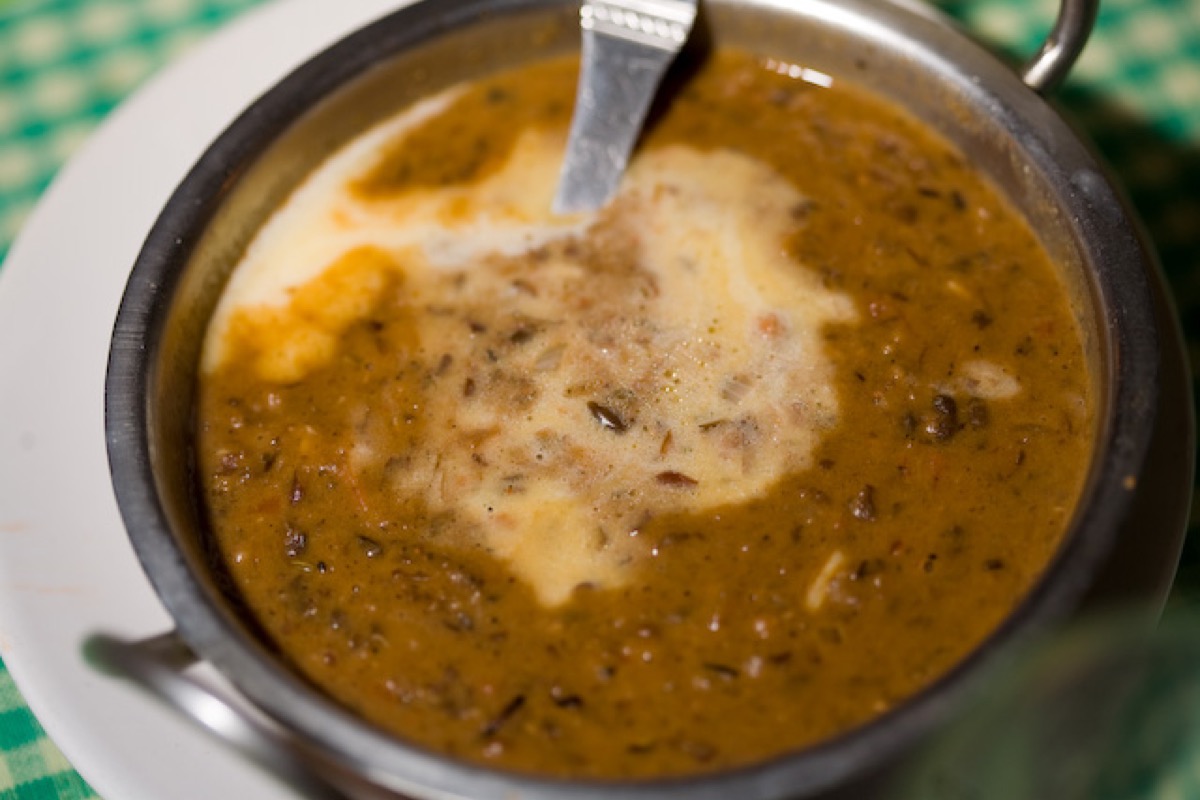
When winter arrives, many of us look for warm and cozy meals that make us feel good inside. One dish that stands out during this chilly season is Dal Makhani. Known for its creamy texture and rich flavor, this dish is a favorite comfort food for people around the world. Here we explore the history, health benefits, and best ways to enjoy Dal Makhani — the ultimate winter comfort dish.
1. A Look at the Origins of Dal Makhani
Dal Makhani comes from Punjab, a northern state in India famous for its robust culinary tradition. This dish was originally made by village cooks who would slow-cook lentils overnight over an open flame. That long cooking time allows the flavors to meld and creates the rich, buttery depth that makes Dal Makhani so special today.
The name "Dal Makhani" literally means "buttery lentils," which perfectly describes its creamy, indulgent texture. Over time it has moved from humble village kitchens to restaurants around the world, becoming a favorite among food lovers everywhere. Dal Makhani is more than just a meal — it brings warmth and comfort that makes it perfect for cold winter days.
2. Ingredients That Make It Delicious
The main ingredients in Dal Makhani are black lentils (urad dal) and kidney beans (rajma). These legumes are packed with protein, fiber, and important nutrients, making them a healthy and hearty base. When cooked together slowly, they create a deeply satisfying dish that is both filling and nourishing.
The flavor comes from a careful combination of spices — cumin, coriander, and garam masala — along with tomatoes, onions, and garlic for a rich sauce. Butter and cream finish the dish, adding the signature indulgent creaminess. Every ingredient works together to create an experience that warms you through on a cold day.
3. Health Benefits of Dal Makhani
Packed with Nutrients
Dal Makhani is not only delicious but genuinely nutritious. Its high protein content makes it especially valuable for vegetarians. The black lentils and kidney beans together provide a complete protein profile, supporting muscle repair and sustained energy throughout the day.
The dish is also rich in dietary fiber, which supports healthy digestion and helps you feel full for longer — particularly helpful during winter when the urge to snack on comfort foods runs high.
Good for Your Heart
Key ingredients in Dal Makhani actively support heart health. Tomatoes are full of lycopene and other antioxidants that can help reduce the risk of cardiovascular disease. Spices like cumin and coriander have well-documented anti-inflammatory properties. Enjoyed as part of a balanced diet, Dal Makhani is both comforting and nourishing.
4. Cooking Techniques for the Best Dal Makhani
The way Dal Makhani is cooked is essential to its flavor. Traditionally, it is simmered for a long time — often several hours — allowing the lentils to absorb the spices fully and develop a naturally creamy consistency. This slow method is preferred for its authentic, rounded taste.
For those short on time, a pressure cooker can significantly shorten the cooking process, though the result won't have quite the same depth as the slow-cooked version. Whatever method you use, the key is patience: let the dish simmer until it thickens and the lentils are completely soft and creamy.
5. How to Enjoy Dal Makhani: Best Pairings
Traditional Combinations
Dal Makhani pairs beautifully with naan or roti — the soft bread is perfect for scooping up the creamy lentils. Jeera rice (cumin rice) is another classic companion, adding a gentle aromatic note that complements the richness of the dal without overpowering it.
Adding Crunch and Texture
For contrast, serve Dal Makhani alongside crispy papad or fried bhindi (okra). A cooling raita — yogurt with cucumber and cumin — balances the richness of the dish and adds freshness to each bite.
Creative Ways to Serve
For a lighter option, serve Dal Makhani over quinoa or brown rice. Adding a side of sautéed spinach or roasted vegetables increases the nutritional value and brings color and variety to the plate.
6. Dal Makhani: A Comfort Dish for All Seasons
While Dal Makhani is especially popular in winter, its rich flavors and satisfying texture make it a perfect dish for any occasion — a cozy family dinner, a festive celebration, or a gathering with friends. It is often served during Indian festivals and special occasions, where its hearty, warming nature brings feelings of comfort and nostalgia. Once you've had a good Dal Makhani, it tends to become a year-round craving.
Frequently Asked Questions
Q: What is Dal Makhani made of?
Dal Makhani is made of black lentils (urad dal), kidney beans (rajma), tomatoes, onions, butter, cream, and a blend of spices including cumin, coriander, and garam masala.
Q: Can I make Dal Makhani vegan?
Yes — substitute coconut milk or cashew cream for the dairy cream, and use a good-quality plant-based butter or oil. The dish will be slightly lighter but still deeply flavorful.
Q: What are the best side dishes to serve with Dal Makhani?
Dal Makhani pairs best with naan, roti, or jeera rice. Crispy papad and a cooling raita make excellent additions for texture and balance.
Q: How long does it take to cook Dal Makhani?
The traditional slow-cooked method takes 1.5 to 2 hours (or longer). Using a pressure cooker can reduce this to 30–40 minutes, though slow cooking produces a noticeably richer result.
Q: Is Dal Makhani healthy?
Yes — Dal Makhani is high in plant-based protein, fiber, and essential nutrients. Enjoyed in moderate portions as part of a balanced meal, it is a wholesome and satisfying choice.
Taste Dal Makhani at Vatan
Experience the warmth of authentic, slow-cooked Dal Makhani at our East Windsor and Jersey City locations. Our menu has something for everyone.