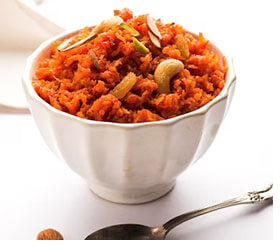
Gajar Halva, or Carrot Halwa, is a dessert that holds a special place in Indian cuisine. Made with grated carrots, milk, sugar, and ghee, it's often topped with nuts and flavored with cardamom. It sounds simple — but small missteps can make the difference between a rich, melt-in-your-mouth halwa and a watery, grainy disappointment. Here are six mistakes to avoid so yours turns out perfect every time.
#1 — Choosing the Wrong Type of Carrots
The type of carrot you use matters more than you might think. Traditional Gajar Halva is made with red Delhi carrots (lal gajar), which are sweeter, less fibrous, and have a higher water content that reduces beautifully as you cook. They're typically available in winter, which is the peak season for this dessert.
If red carrots aren't available, choose fresh, firm orange carrots. Avoid older carrots that have gone limp or woody — they won't break down properly and will leave an unpleasant texture in the finished halwa. The fresher and more tender your carrots, the better your result.
#2 — Grating Carrots Incorrectly
How you grate your carrots has a direct impact on texture. Using a fine grater produces a paste-like consistency that dissolves too quickly and turns mushy. Using a very coarse grater leaves large strands that stay tough and don't absorb the milk and sugar evenly.
The right tool is a medium box grater — the side with medium-sized holes. This gives you fine shreds that hold their structure through cooking while still becoming tender and cohesive. Take your time grating; rushing often means uneven pieces and an uneven final texture.
#3 — Cooking on High Heat
This is one of the most common and damaging mistakes. High heat causes the milk to scorch at the bottom of the pan before the carrots have had a chance to cook through. It also causes the sugar to caramelize unevenly, creating bitter spots and an inconsistent color.
Always cook Gajar Halva on low to medium heat. Yes, it takes longer — anywhere from 45 minutes to over an hour — but the slow reduction of milk into the carrot mixture is what creates that signature rich, creamy texture. Stir frequently to prevent sticking, and resist the urge to turn up the flame to speed things along.
#4 — Adding Sugar Too Early
Sugar draws moisture out of the carrots. If you add it before the carrots are fully softened and the milk has been absorbed, the released moisture dilutes the mixture and extends cooking time dramatically. Worse, it can prevent the carrots from becoming tender at all, leaving them slightly firm and grainy in the finished dish.
The correct sequence: cook the grated carrots in ghee first until they soften and lose their raw smell, then add the milk and cook until it is fully absorbed. Only then add sugar. After adding sugar, the mixture will loosen again as the sugar melts — continue cooking on low heat, stirring, until it tightens back up to your desired consistency.
#5 — Skipping Ghee or Using Low-Quality Ingredients
Ghee is not optional in Gajar Halva — it is the soul of the dish. It coats the carrot shreds, carries the cardamom fragrance, and gives the halwa its characteristic richness and glossy finish. Substituting butter can work in a pinch, but it changes the flavor profile significantly. Using vegetable oil produces a noticeably inferior result.
Similarly, full-fat whole milk is essential. Low-fat or skim milk won't reduce to the same creamy consistency. If you want to enrich the halwa further, a small amount of khoya (reduced milk solids) or condensed milk stirred in near the end of cooking deepens the flavor and adds body. Use the best quality ghee and dairy you can find — the simplicity of this recipe means every ingredient is on full display.
#6 — Forgetting to Garnish
Gajar Halva is traditionally served warm and garnished generously. Skipping this step isn't just an aesthetic oversight — the garnish adds essential textural contrast and complementary flavor to the soft, sweet halwa.
Toast a handful of cashews and almonds (sliced or roughly chopped) in ghee until they turn golden, then scatter them over the halwa. Add a pinch of green cardamom powder for fragrance, and a few raisins that have been plumped in warm water or ghee. Silver vark (edible silver leaf) is the traditional festive finish, though entirely optional. The garnish signals care and completeness — don't skip it.
Bonus Tip — Stir Frequently Throughout
Gajar Halva requires your attention. Use a heavy-bottomed pan or kadai to distribute heat evenly and prevent hot spots. Stir every few minutes during cooking, scraping the bottom and sides of the pan. As the mixture thickens toward the end, increase the frequency of stirring to every minute or so. The halwa is ready when it pulls away cleanly from the sides of the pan, the ghee begins to separate slightly at the edges, and it holds its shape when scooped.
Frequently Asked Questions
Q: Can I use orange carrots instead of red ones?
Yes — orange carrots work well. They are slightly less sweet than the traditional red Delhi carrots, so you may want to add a touch more sugar to compensate. Make sure they are fresh and firm for the best texture.
Q: Is there a healthier substitute for ghee?
Butter or coconut oil can be used as substitutes, but neither replicates the distinctive nutty richness that ghee brings. If you're watching saturated fat, you can reduce the quantity slightly, but eliminating ghee altogether will noticeably affect the flavor and finish of the halwa.
Q: How long does Gajar Halva stay fresh?
Stored in an airtight container in the refrigerator, Gajar Halva keeps well for 4–5 days. Reheat gently in a pan over low heat or in the microwave with a splash of milk to restore its soft, creamy texture.
Q: Can I make Gajar Halva vegan?
Yes — substitute full-fat almond milk or coconut milk for dairy milk, and use coconut oil in place of ghee. The flavor will be different but still delicious. Coconut milk in particular adds a pleasant richness that works well with cardamom.
Q: Why is my Gajar Halva coming out watery?
The most likely cause is adding sugar before the milk has fully reduced, or adding it before the carrots are soft. The sugar draws out moisture from the carrots and slows the cooking process. To recover a watery halwa, continue cooking on low heat, stirring constantly, until the excess liquid evaporates and the mixture reaches the right consistency.
Try Gajar Halva at Vatan
Can't wait to taste it done right? Visit Vatan Vegetarian Indian Cuisine at our East Windsor or Jersey City location and enjoy authentic Gajar ka Halwa made the traditional way.