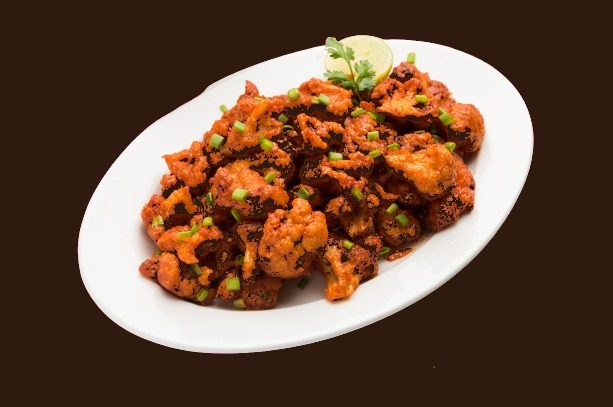
Order Manchurian, Hakka Noodles, or a bowl of Manchow Soup at almost any Indian restaurant in the world, and you're eating a cuisine that doesn't exist anywhere in China — Indo-Chinese food, one of India's most beloved culinary inventions. Here's where it came from, what defines it, and why it's earned a permanent spot on the Indian dinner table.
Where Indo-Chinese Food Comes From
Indo-Chinese cuisine was born in Kolkata's Tangra neighborhood, home to India's oldest and largest Chinese immigrant community, which settled there from the late 1700s onward. Chinese immigrant families ran small restaurants and tanneries, cooking the food they knew — but with Indian ingredients and for Indian palates. Over generations, Cantonese and Hakka Chinese techniques merged with Indian spices, chilies, and garlic, and a new cuisine was born.
What started in Tangra spread across the country through the 20th century, and today Indo-Chinese food is arguably more widely eaten in India than in China itself — it's a fixture at street food stalls, wedding buffets, and restaurant menus from Mumbai to Delhi to New Jersey.
What Makes It Different From Chinese Food
Indo-Chinese food borrows Chinese technique — the high-heat wok, the stir-fry, the cornstarch-thickened sauce — but the flavor profile is unmistakably Indian. Green chilies, ginger, garlic, and a heavier hand with spice replace the more delicate seasoning of traditional Chinese cooking. Soy sauce and vinegar form the backbone of most sauces, but they're pushed further with red chili paste, black pepper, and often a distinctly tangy, saucy finish that Chinese cooking rarely uses.
The result is food that's bolder, spicier, and saucier than its Chinese counterpart — designed to be eaten with rice or noodles, not delicately balanced the way a Cantonese banquet might be.
The Dishes That Define Indo-Chinese Food
Manchurian
The single most iconic Indo-Chinese dish. Vegetables — usually cauliflower (Gobi Manchurian) or a mixed vegetable blend — are formed into fried dumplings, then tossed in a tangy, garlicky, soy-based sauce. It's served "dry" (little to no sauce, ideal as a starter) or "gravy" style (a thicker, saucier version meant to be eaten with rice or noodles).
Hakka Noodles
Named after the Hakka Chinese community, these are stir-fried wheat noodles tossed with shredded vegetables in a lighter soy-ginger sauce. Less fiery than Manchurian, Hakka Noodles are the everyday comfort dish of Indo-Chinese cuisine — the one order almost everyone at the table agrees on.
Chilli Paneer
India's vegetarian answer to Chilli Chicken — cubes of paneer (fresh cottage cheese) tossed with green peppers and onions in a spicy, garlicky chili sauce. Like Manchurian, it comes dry or gravy style.
Szechwan Style
The spiciest branch of the family. A fiery red chili-garlic sauce coats noodles, rice, or vegetables, delivering more heat and less sweetness than a standard Manchurian or soy-based sauce.
Manchow Soup
A thick, dark, deeply savory vegetable broth finished with crispy fried noodles on top — the starter that kicks off an Indo-Chinese meal. Read more about it in our Manchow Soup guide.
Why It's So Popular in India — and Beyond
Indo-Chinese food occupies a unique space: it's exciting and different, yet familiar enough in its use of rice, noodles, and bold spice that it never feels foreign. It travels well too — from street carts to five-star hotel banquets, the same core dishes appear again and again because they consistently deliver big, satisfying flavor.
For vegetarian diners, it's also one of the most reliable cuisines to order from — cauliflower, paneer, and mixed vegetables carry the sauces just as well as meat would, which is why Indo-Chinese menus translate so naturally into a 100% vegetarian kitchen.
How Vatan Serves Indo-Chinese Food
At Vatan, our entire Indo-Chinese menu is 100% vegetarian — Manchurian, Hakka Noodles, Szechwan Noodles and Fried Rice, Chinese Bhel, Paneer 65, and more, all wok-tossed fresh to order. Many dishes are naturally vegan, and most can be prepared Jain-style without onion, garlic, or root vegetables. See the full lineup on our Indo-Chinese menu page.
Frequently Asked Questions
Q: Is Indo-Chinese food actually from China?
No — it originated in Kolkata's Tangra neighborhood among Chinese immigrant families, blending Chinese cooking technique with Indian spices. It's a distinctly Indian cuisine, not something you'd find in China.
Q: What's the most popular Indo-Chinese dish?
Manchurian and Hakka Noodles are the two most widely ordered Indo-Chinese dishes across India, followed closely by Chilli Paneer and Manchow Soup.
Q: Is Indo-Chinese food always spicy?
It leans bold and spicy compared to traditional Chinese food, but heat levels vary by dish. Hakka Noodles are relatively mild, while Szechwan-style dishes are the spiciest.
Q: Can Indo-Chinese food be vegan?
Yes — many dishes are naturally vegan when made without paneer, such as Vegetable Manchurian, Chinese Bhel, Veg Hakka Noodles, and Szechwan Fried Rice.
Q: Where can I try Indo-Chinese food in New Jersey?
Vatan serves a full Indo-Chinese menu at both its Jersey City and East Windsor, NJ locations — see the full lineup on our Indo-Chinese menu page.
Try Indo-Chinese at Vatan
Manchurian, Hakka Noodles, Chinese Bhel, and more — 100% vegetarian, with Jain and vegan options. Visit us in Jersey City or East Windsor.