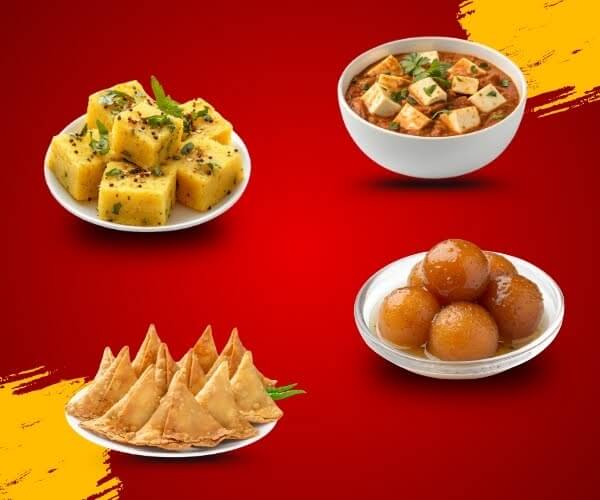
There's something magical about winter in the United States. The days grow shorter, the air turns crisp, and there's nothing quite like the warmth of a steaming bowl of food to lift your spirits. Indian cuisine, with its deep-rooted tradition of using warming spices and hearty, nourishing ingredients, is perfectly suited to the cold months. Whether you're looking to stay healthy, warm up from the inside out, or simply enjoy deeply satisfying food, Indian cooking delivers all of it in abundance.
Indian Spices Are Nature's Winter Healers
At the heart of Indian cuisine is an extraordinary pharmacy of spices. Ginger, turmeric, black pepper, cumin, cardamom, cloves, and cinnamon — each one has been used for centuries in Ayurvedic medicine to combat the specific challenges of winter. Ginger is a powerful anti-inflammatory and circulatory stimulant that literally warms the body from the inside. Turmeric contains curcumin, which supports immune function and reduces inflammation — something our bodies need more of during cold and flu season. Black pepper enhances the absorption of these beneficial compounds, amplifying their effect.
Unlike artificially fortified supplements, these spices are embedded in every dish at Vatan as a natural consequence of authentic cooking. A bowl of our dal or a plate of curry delivers these protective compounds in a form that is not only bioavailable but deeply delicious.
Soups That Warm You From the Inside Out
Indian cuisine offers a rich tradition of warming soups and broths that rival anything from other culinary traditions. Tomato Shorba — a silky, spiced tomato soup — is a quintessential Indian winter starter. Mulligatawny, a lentil-based soup seasoned with curry spices and finished with coconut milk, has warmed people for centuries. These soups are deeply restorative, easy to digest, and pack concentrated spice profiles that generate internal warmth long after the bowl is empty.
Curries: The Heart of Winter Warmth
If there is one category of food perfectly engineered for winter eating, it is the Indian curry. Slow-cooked, deeply spiced, and extraordinarily layered in flavor, a great curry achieves what no fast-food or processed meal can — it satisfies not just hunger but a deeper craving for warmth, richness, and complexity. Dishes like Rajma (red kidney bean curry), Chole (chickpea masala), Shahi Paneer (paneer in a rich cream and nut gravy), and Methi Malai Matar (peas and fenugreek in cream sauce) are at their absolute best during winter months because the cold weather makes us naturally receptive to their warmth and depth.
Hot Indian Snacks
Winter is snack season. There is something universally comforting about eating warm, crispy bites on a cold day. Indian cuisine excels at hot snacks — from golden Samosas stuffed with spiced potatoes and peas to Aloo Tikki (spiced potato patties), Pakoras (vegetable fritters), and Batata Vada (Maharashtra's beloved spiced potato dumplings). These snacks are designed to be eaten piping hot, and they pair perfectly with masala chai. At Vatan, our snack menu comes alive in the colder months as guests seek out these classic Indian comfort bites.
Desserts That Soothe the Soul
Indian sweets are winter treasures. Gajar Ka Halwa (slow-cooked carrot pudding with ghee, milk, and cardamom) is made from winter carrots that reach their peak sweetness in the cold season — the same carrots that give the halwa its intensely sweet, almost caramelized depth. Kheer, a rice pudding simmered with milk, sugar, and cardamom, topped with saffron and pistachios, is warming and deeply soothing. These desserts are slow food in the truest sense — they cannot be rushed and they reward patience with extraordinary flavor.
Indian Food Naturally Strengthens Winter Immunity
The winter season brings with it increased vulnerability to colds, flu, and respiratory infections. Indian vegetarian cuisine is remarkably well-positioned to support immune health through food alone. Lentils provide zinc and folate. Spinach and leafy greens (used in dishes like Palak Paneer) deliver iron and vitamins C and K. Dairy in the form of paneer and yogurt provides calcium and probiotics. The combination of these nutrient-dense ingredients, cooked in immunity-supportive spices, creates meals that function as preventive medicine — delicious, affordable, and deeply nourishing.
Indian Food Brings People Together
Winter is a season of gathering — Thanksgiving, Diwali, Christmas, and countless family occasions all cluster in the final months of the year. Indian food has an inherent communal quality. Thalis are designed to be shared. Curries come in generous quantities. Breads like Naan and Garlic Naan are torn and passed around. This culture of abundance and sharing aligns beautifully with the spirit of winter celebrations. At Vatan, we see our dining rooms fill with families and friends who come not just for the food but for the experience of gathering around a table laden with warmth.
Why Vatan Is the Perfect Winter Destination in East Windsor
At Vatan's East Windsor and Jersey City locations, we have built our entire culinary identity around the principles that make Indian food the perfect winter cuisine — authentic spices, slow cooking, high-quality vegetarian ingredients, and a genuine commitment to warmth in every sense. Our winter menu highlights include rich dal preparations, warming thalis, classic curries, and a rotating selection of seasonal specials that capture the best of Indian cold-weather cooking. Whether you're dining in to escape the cold or ordering takeout to warm up at home, Vatan is your winter refuge for authentic Indian comfort food.
Winter has a way of changing our cravings — drawing us toward food that is warm, sustaining, and meaningful. Indian cuisine answers that call better than almost any other culinary tradition, and at Vatan, we're honored to bring that warmth to New Jersey through every dish we serve.
Frequently Asked Questions
Q: What makes Indian food warming during winter?
Indian food uses thermogenic spices like ginger, black pepper, cinnamon, and cloves that literally raise body temperature by stimulating circulation. Slow-cooked dishes also retain heat well, making them physically warming when eaten.
Q: Is Indian food good for the immune system in winter?
Yes — turmeric, ginger, garlic, and black pepper all have documented immune-supporting properties. Combined with nutrient-dense ingredients like lentils, leafy greens, and paneer, Indian food provides excellent winter nutritional support.
Q: What are the best Indian dishes to eat in winter?
Gajar Ka Halwa, Dal Makhani, Rajma, Shahi Paneer, Chole Bhature, and any spiced soup or curry are all excellent winter choices. At Vatan, our thali offers a complete winter meal in a single sitting.
Q: Does Vatan serve seasonal winter specials?
Yes — Vatan rotates seasonal specials that highlight winter produce and warming preparations. Check our weekly specials on the homepage or call your local location to ask about current seasonal offerings.
Experience Indian Winter Warmth at Vatan
Come in from the cold and let our kitchen warm you with authentic Indian flavors in East Windsor and Jersey City.