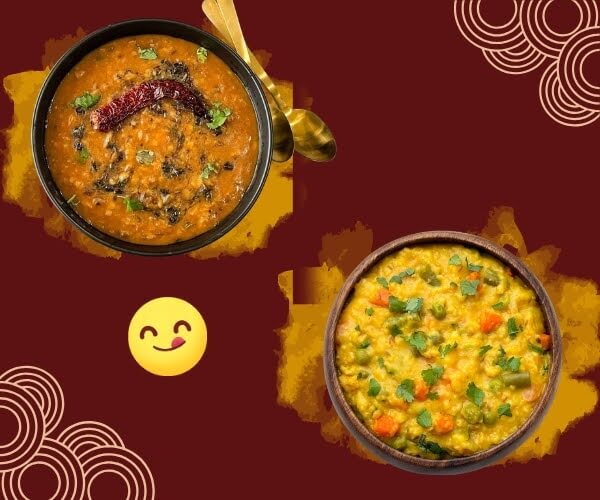
As the crisp breeze of November sets in, our taste buds naturally crave comfort food. Among the many treasures of Indian cuisine, dal and khichdi stand out as timeless dishes that perfectly capture the essence of the season. These humble yet nourishing preparations have sustained generations of Indians through cold months, and there are compelling reasons why they shine brightest in November.
The Seasonal Connection
November marks the transition from autumn to early winter across much of the United States and the Indian subcontinent alike. This shift in temperature creates a physiological need for warmth-generating foods. Dal and khichdi are naturally warming dishes — not just because they're served hot, but because of the spices used in their preparation. Turmeric, cumin, ginger, and black pepper all have thermogenic properties, meaning they gently raise body temperature and improve circulation. These spices are at the core of both dal and khichdi, making them scientifically sound choices for the November chill.
November is also when the harvest of fresh winter lentils begins in many parts of India. Fresh-harvest lentils have a more vibrant flavor and cook to a creamier consistency than older stock — another reason why November dal tastes exceptionally good.
Nutritional Powerhouses for the Changing Season
Dal and khichdi are two of the most nutritionally complete foods in Indian cuisine. Dal is one of the richest plant-based sources of protein, iron, and folate. Khichdi — a one-pot dish of rice and lentils cooked together — provides a complete amino acid profile by combining two complementary proteins. As daylight hours shorten and outdoor activity decreases, the body's demand for easily digestible, nutrient-dense foods increases. Both dishes are gentle on the digestive system, making them ideal for people whose gut health tends to fluctuate with seasonal changes.
Khichdi in particular is widely recognized in Ayurvedic medicine as a tridoshic food — one that balances all three doshas (Vata, Pitta, and Kapha) — which is especially valuable during seasonal transitions when the body is adapting to change.
Versatility in Recipes
One of the most beautiful things about dal and khichdi is their endless versatility. Dal alone encompasses hundreds of regional variations — Punjabi Dal Makhani with its slow-cooked black lentils and cream, bright yellow Tadka Dal from Maharashtra, tangy Gujarati Dal with its hint of jaggery and tamarind, and more. Khichdi similarly transforms with regional character, from the vegetable-laden Masala Khichdi of North India to the smoky Sabudana Khichdi of Maharashtra made with tapioca pearls during fasting days.
In November, cooks often add seasonal vegetables — fresh methi (fenugreek) leaves, cauliflower, and green peas — which are at their peak flavor during this month. Adding these to khichdi or as a side with dal creates a deeply seasonal meal that celebrates the produce of the moment.
Economic and Practical Advantages
Beyond nutrition and flavor, dal and khichdi are among the most economical and practical meals to prepare. Lentils and rice are pantry staples with long shelf lives that are available year-round. They require minimal prep time and can be cooked in a single pot, making them perfect for busy November schedules around the holiday season. Leftovers reheat beautifully, and the flavors often deepen overnight as spices continue to bloom. For families feeding many people on a budget — a common November scenario around holiday gatherings — a large pot of dal and khichdi is a practical solution that never compromises on satisfaction.
Cultural Significance in November
November holds special cultural significance for dal and khichdi in the Indian calendar. The Makar Sankranti preparations begin in earnest — a harvest festival celebrated in January where khichdi is the central ritual food. In many Indian homes, November is when the annual batch of ghee is clarified from fresh winter butter, and there is nothing more celebratory than pouring fresh ghee over a steaming bowl of dal or khichdi. Dev Diwali (the festival of lights for gods) also falls in November, when simple, sattvic (pure) foods like khichdi are traditionally offered and eaten.
Tips for the Perfect November Dal and Khichdi
To make the most of these dishes this season, start with quality ingredients: fresh lentils, fragrant basmati rice, and whole spices that you toast yourself. Use generous ghee for tempering (or a good vegetable oil for vegan preparation). Add seasonal vegetables like fresh methi or peas. Cook low and slow — both dishes benefit from patience. For dal, a final tempering of cumin seeds, dried red chilies, and garlic in ghee poured over the top just before serving adds an aromatic finish that transforms the dish. For khichdi, the ratio of rice to lentils matters — a 2:1 or even 1:1 ratio creates a creamy, porridge-like consistency that is perfect for cold evenings.
Frequently Asked Questions
Q: What is the difference between dal and khichdi?
Dal is a cooked lentil dish, typically served as a soup or curry alongside rice or bread. Khichdi is a one-pot dish where lentils and rice are cooked together until soft and creamy, creating a complete, self-contained meal.
Q: Is khichdi healthy?
Yes — khichdi is one of the most nutritionally balanced Indian dishes. The combination of rice and lentils provides a complete protein, and the dish is easy to digest. It's recommended in Ayurvedic medicine for periods of illness, detox, or seasonal transition.
Q: Which type of dal is best in November?
Dal Makhani (slow-cooked black lentils with butter and cream) is a particularly warming choice for late autumn. Dal Tadka (yellow lentils with a cumin-garlic tempering) is lighter but equally satisfying. Both are excellent November dishes.
Q: Can I find good dal and khichdi in New Jersey?
Yes — Vatan's East Windsor and Jersey City locations serve authentic dal and khichdi preparations as part of our thali and à la carte menu. Our recipes stay true to traditional methods, including slow cooking and fresh tempering.
Warm Up with Vatan's Dal and Khichdi
Experience the comfort of authentic, slow-cooked dal and khichdi at our East Windsor and Jersey City locations.